Caring LGBT Counseling Services: Helping Your Journey to Well-Being
Compassionate LGBT support services play a vital aspect in advancing psychological wellbeing and personal development within the community. These support services forge a safe space for people to explore their sense of identity and confront cultural pressures. By utilizing customized therapeutic strategies, patients can cultivate resilience and self-acceptance. Grasping the influence of these support services leads to important questions about their success rate and the transformative possibilities they can present. What changes might await those who reach out for this support?
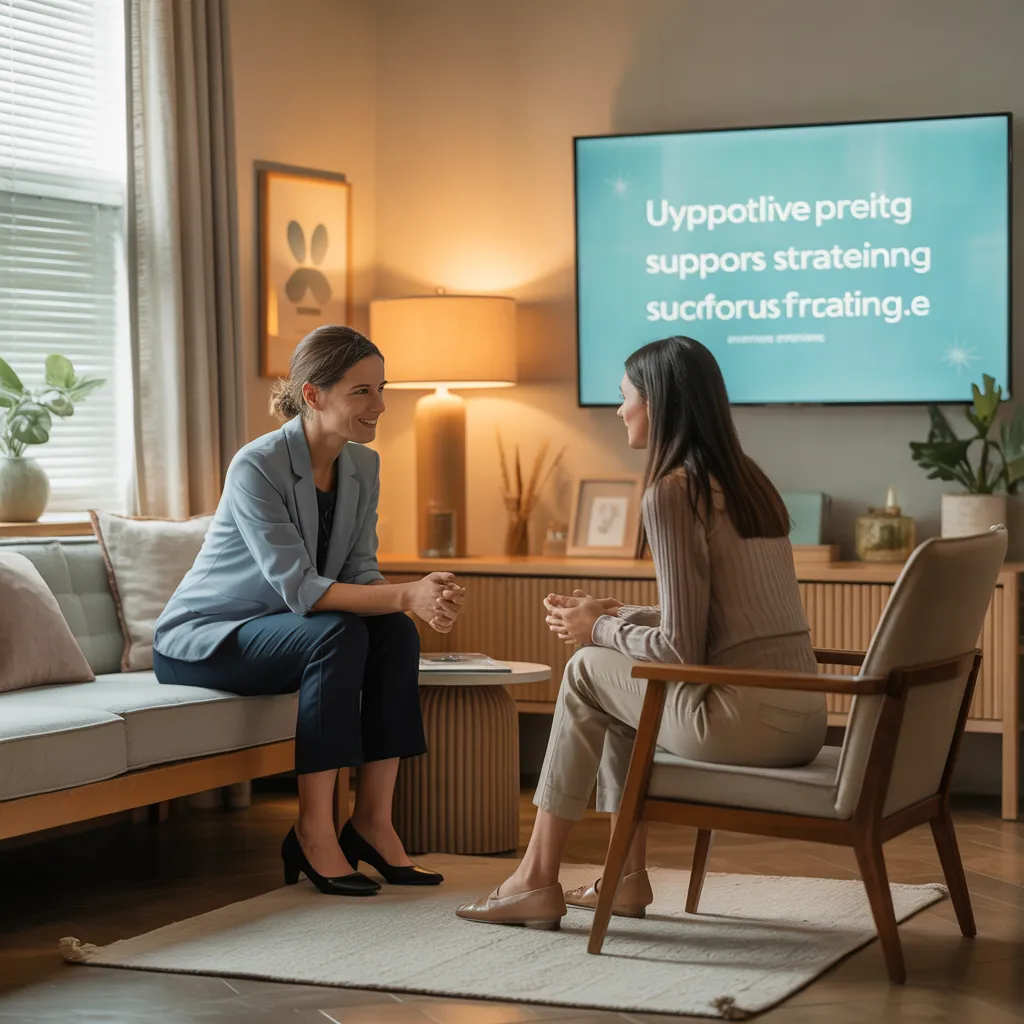
Why LGBTQ Mental Health Support Counts
LGBT counselling functions as an essential tool in tackling the unique challenges experienced by individuals within the group. It provides a secure and affirming space where individuals can explore their identities, emotions, and experiences without fear of criticism. These services are intended to affirm varied sexual preferences and gender expressions, cultivating a feeling of inclusion and understanding.
Counsellors educated on LGBT issues employ culturally sensitive practices to more fully comprehend the subtleties of clients' experiences. This specialized approach not only enhances mental health but also enables individuals to navigate social demands, relationship dynamics, and individual development.
Moreover, LGBT counselling can help create coping strategies for anxiety, stress, and depressive symptoms, which may arise from discrimination or feelings of isolation. By emphasizing emotional well-being, these services play a pivotal role in improving the overall quality of life for LGBT people, promoting resilience and self-acceptance.
Issues Facing the LGBT Community
Despite progress in numerous areas, the LGBT community still confronts significant obstacles. Prejudice remains pervasive, affecting various life dimensions, including work, medical services, and housing. Many people experience prejudice and discrimination, resulting in heightened mental health struggles. Furthermore, the lack of comprehensive legal safeguards in certain areas compounds these issues, leaving community members vulnerable to harassment and assault.
Mental health matters are particularly notable, as individuals often battle internalized homophobia and societal rejection. Social isolation can amplify these challenges, as supportive networks may be weak or non-existent. Moreover, access to culturally competent healthcare options is often poor, leaving many without essential help.
Surmounting these hurdles necessitates fortitude and representation, underscoring the importance of heightened understanding and specialized approaches to cultivate openness and diversity. Confronting these difficulties is crucial for the overall well-being of the LGBT community.
Explore What Your Therapy Session Will Encompass?
An LGBT counselling session includes the opening evaluation procedure, which is crucial for understanding the client's unique requirements and backgrounds. This fundamental step creates the groundwork for the therapeutic techniques that will be applied throughout the process. Clients can expect a tailored strategy that centers on their individual circumstances and aims.
Beginning Assessment Procedure
The preliminary evaluative framework operates as a crucial foundation for successful therapeutic relationships. During this period, clients are encouraged to present their concerns, situations, and goals in a safe, supportive context. The practitioner conducts a rigorous assessment, amassing pertinent facts about the client's background, psychological record, and current struggles. This dialogue aims at building trust and rapport, facilitating clients to recognize they are appreciated and heard. In addition, the practitioner may consider the client's aspirations and targeted outcomes from the counselling process. By establishing a clear comprehension of the client's needs, the starting evaluation forms the basis for bespoke support and effective intervention, assuring that clients experience empowerment and capability on their pathway to well-being.
Therapeutic Methods Utilized
Counselling consultations incorporate a assortment of therapeutic techniques customized to meet each client's unique needs. Approaches such as cognitive-behavioral therapy help clients resist and reframe negative thought patterns, fostering healthier perspectives. Story-based intervention prompts individuals to delve into and reshape their individual narratives, improving sense of self and self-determination. Additionally, mindfulness practices promote emotional regulation and present-moment awareness, assisting clients in reducing anxiety and strain. Supportive techniques, including active listening and empathy, establish a safe environment for candid exchange. Group therapy may also be utilized, promoting community and collective understanding among clients. Each technique is carefully selected to tackle unique difficulties met by LGBT individuals, ensuring a thorough and compassionate approach to their emotional health and well-being.
Ways LGBT Support Manages Typical Obstacles
While moving through a world often fraught with discrimination and misunderstanding, many people within the LGBT community face unique emotional and psychological challenges. LGBT support addresses these issues by providing a safe, affirming space where clients can articulate their feelings without fear of judgment. Counselors are trained to understand the complexities of identity, including coming out, relationship dynamics, and societal pressures.
By employing tailored therapeutic interventions, such as CBT and experiential therapy, clients examine their thoughts and experiences, fostering psychological strength and personal value. The focus on empowerment helps people navigate internalized stigma and outside discrimination, advancing healthier coping mechanisms.
In addition, LGBT therapy often incorporates discussions centered on intersectionality, recognizing how various identities intersect, impacting emotional well-being. By working through these prevalent challenges, therapy supports clients in fostering a stronger personal identity and community, ultimately facilitating their movement toward well-being and personal fulfillment.
Finding the Right LGBT Counsellor for You
Directing the course toward mental wellness often means seeking the right support. For persons within the LGBT community, selecting a counsellor who acknowledges their unique experiences and hurdles is essential. Critical considerations include the advisor's qualifications, experience, and familiarity with LGBT topics.
Prospective clients should seek professionals who possess a foundation in LGBTQ+ issues, ensuring they can handle complicated emotions and societal pressures effectively. Word-of-mouth recommendations, internet feedback, and practitioner listings can be valuable resources in this pursuit.
Additionally, an early consultation can help assessing compatibility; it allows an chance to analyze the counsellor’s approach and communication style. Feeling protected and understood is vital, so clients should trust their instincts regarding the connection made. Ultimately, the appropriate LGBT counsellor can greatly enhance the therapeutic experience, nurturing growth and resilience on the path to well-being.
Success Stories: Transformative Results of LGBT Counselling
LGBT counselling has acted as a catalyst for personal growth, facilitating individuals to embrace and navigate their identities. Many have shared experiences of surmounting significant challenges and finding a sense of community within supportive communities. These accounts of achievement highlight the meaningful influence counselling can have on the lives of LGBTQ+ individuals.
Personal Transformation Voyages
Counselling can act as a significant force for self-development, notably in the LGBT community, where individuals often manage particular difficulties. Many clients report substantial changes after undergoing counselling support. For instance, one individual mustered the resolve to embrace their identity, bringing about greater self-worth and better interpersonal bonds. Another client gained skills in setting boundaries, fostering essential skills for personal and professional life. These journeys highlight the impact of tailored counselling approaches, stressing acceptance and understanding. By communicating experiences and understanding, individuals not only build strength but also inspire others facing similar struggles. Such success stories underscore the importance of compassion in counselling, reinforcing that self-development is achievable and can lead to a rewarding life.
Handling Individual Difficulties
Addressing personal identity challenges can be an intimidating journey, yet counselling often provides a transformative pathway for many individuals. Clients regularly report significant changes in their self-awareness and acceptance through professional support. For example, one individual learned to accept their identity after struggling with internalized stigma, ultimately discovering empowerment in their uniqueness. Another client, who faced familial rejection, found coping strategies that nurtured resilience and self-love. These success stories highlight the pivotal role LGBT counselling has in facilitating personal growth and healing. By addressing feelings of isolation and confusion, counselling aids individuals in building a stronger sense of self, paving the way for a meaningful life rooted in authenticity and acceptance.
Building Supportive Communities
Many people have found that forming nurturing communities can greatly enhance their journey towards acceptance and belonging. These communities often serve as safe spaces where members can exchange experiences and challenges without worry of judgment. Success stories are plentiful, illustrating how shared support fosters resilience and empowerment. For instance, one person described how joining a local LGBT group provided not only camaraderie but also vital resources for mental health. Another participant shared attending workshops that led to significant personal growth and confidence. Through these shared experiences, individuals often discover a sense of identity and purpose, reinforcing the idea that connection and understanding can transform lives. Ultimately, supportive communities play an crucial role in enhancing well-being within the LGBT population.

Further Tools for LGBT Counselling and Help
While tackling the difficulties of life, individuals within the LGBT community often search for supplementary tools to improve their counselling experiences. Multiple organizations deliver care suited to their particular needs. Online channels, such as forums and chat rooms, offer a protected space for discussing experiences and advice. Local LGBT centers regularly conduct workshops, support groups, and social events, nurturing community connections.
Moreover, learning materials, including books and articles, can enhance understanding of personal issues and societal challenges. Hotlines managed by qualified experts deliver rapid assistance for those in crisis. In addition, mental health apps specifically designed for the LGBT community can provide coping strategies and meditation practices.
Popular Questions Asked
How Can I Tell if I Require Counselling?
Individuals may need therapy if they encounter ongoing emotions of sadness, worry, or confusion, struggle with relationships, or face significant life changes. Recognizing these indicators can help determine the necessity of obtaining expert guidance.
Is LGBTQ Counselling Distinct From Conventional Counselling?
LGBT therapy often tackles particular cultural, identity, and community-focused challenges that conventional therapy may miss. It creates a safe, affirming space for people to examine their journeys, promoting comprehension and personal growth unique to their identities.
Which Requirements Should I Consider in a Therapist?
When seeking a therapist, one should emphasize credentials such as appropriate educational background, licensure, expert instruction in LGBT consult this source issues, experience in the field, and a demonstrated commitment to understanding diverse sexual and gender identities.
Do Online Counselling Consultations Function?
Yes, internet-based counseling interactions are available. Many clinicians supply distance consultations, granting flexibility and approachability. It's essential for participants to authenticate that their picked counselor is qualified and practiced in rendering effective remote assistance.
How Private Is LGBT Therapy?
LGBT counselling services emphasize privacy, making sure clients' identities and discussions remain private. Professionals follow ethical guidelines, protecting personal information while establishing a secure space for open dialogue and support throughout the therapeutic journey.